A Core Sample of Trust
View the printable version of this newsletter.
This week I reconnected with an old friend — the kind of conversation that felt like picking up mid-sentence, even though it had been years. We’ve coordinated advocacy, presented together, and counseled each other. It’s been a while, maybe since before COVID.
She said, “I trust my doctor that I’ve been seeing for more than 20 years. He’s impressed by that: ‘You’ve trusted me over 4 jobs.’ I’m confused because I don’t inherently trust him more than other doctors. What is more is…”
- I know he’s going to take my reasoning seriously. He will not dismiss something I will say (maybe occasionally, but I know how to get him to take me seriously if I need to)
- I know I can push back and he will revisit
- I can bring up complex problems. Maybe more importantly, he gets nuance. We live in a complex world. Our bodies and medicine are complicated.
- He specializes in internal medicine for high-risk pregnancies, and I had high-risk pregnancies, so I don’t need to either explain my history or see blank stares of ‘whatever’.
- I do trust that I can use the time more effectively. It helps that there’s more time, too.
- Do I trust that he’s a better doctor than others? I trust that I can get better results with a known entity/process.
My friend is basically describing Time and Talk. Let’s core-sample this. Drill down and see what’s in each layer:
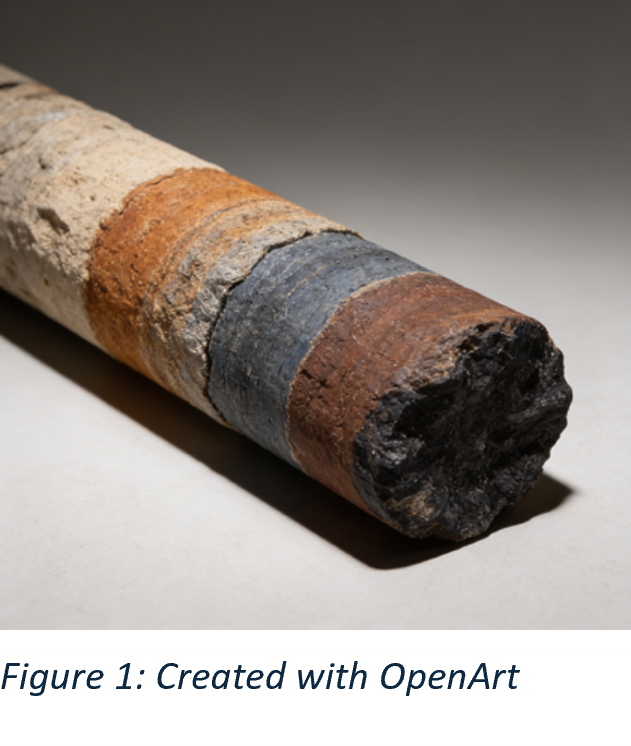
History. Twenty years, four jobs: hers, not his. That’s not four appointments; it’s a track record long enough to know each other’s patterns.
Standing (Talk). “He will not dismiss something I will say.” That’s not a soft skill. That’s a decision he makes over and over, to treat her reasoning as data for decision-making.
Feedback (Talk). Not just being heard once, but a process. She pushes, he revisits. A relationship with a loop, not a one-way transmission.
Fit. High-risk pregnancy specialist, high-risk pregnancies. No explaining. No blank stares. Context that doesn’t get rebuilt from scratch every visit.
Time, the layer she almost apologized for naming. By the time you reach it, “trust” doesn’t mean what it sounded like at the top layer. It isn’t really about credentials or privacy. It’s history plus standing plus feedback plus fit, compounding until fifteen minutes feels like forty-five.
That’s not something a doctor hands you out of goodwill. It’s downstream of things being organized, remembered, and ready, which, frankly, is what a vault is supposed to do for most of the care that happens outside the exam room. We’re not selling vaults. We’re selling time and talk.
Onward, Danny